Archives
- 2026-08
- 2026-07
- 2026-06
- 2026-05
- 2026-04
- 2026-03
- 2026-02
- 2026-01
- 2025-12
- 2025-11
- 2025-10
- 2025-09
- 2025-04
- 2025-03
- 2025-02
- 2025-01
- 2024-12
- 2024-11
- 2024-10
- 2024-09
- 2024-08
- 2024-07
- 2024-06
- 2024-05
- 2024-04
- 2024-03
- 2024-02
- 2024-01
- 2023-12
- 2023-11
- 2023-10
- 2023-09
- 2023-08
- 2023-07
- 2023-06
- 2023-05
- 2023-04
- 2023-03
- 2023-02
- 2023-01
- 2022-12
- 2022-11
- 2022-10
- 2022-09
- 2022-08
- 2022-07
- 2022-06
- 2022-05
- 2022-04
- 2022-03
- 2022-02
- 2022-01
- 2021-12
- 2021-11
- 2021-10
- 2021-09
- 2021-08
- 2021-07
- 2021-06
- 2021-05
- 2021-04
- 2021-03
- 2021-02
- 2021-01
- 2020-12
- 2020-11
- 2020-10
- 2020-09
- 2020-08
- 2020-07
- 2020-06
- 2020-05
- 2020-04
- 2020-03
- 2020-02
- 2020-01
- 2019-12
- 2019-11
- 2019-10
- 2019-09
- 2019-08
- 2019-07
- 2019-06
- 2019-05
- 2019-04
- 2018-07
-
prmt5 inhibitor Located on the fore tarsals
2020-08-12
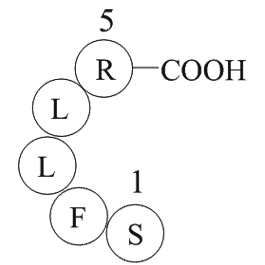
Located on the fore-tarsals of the front pair of legs, the Haller’s organ is presumed central to tick chemosensation. Recent genomic, transcriptomic and proteomic investigations have identified several families of transmembrane proteins in the forelegs of ticks that are likely involved in olfactory
-
Together the data suggests that more work needs
2020-08-12
Together, the data suggests that more work needs to be done to establish the role of PARP inhibitors in Ewing sarcoma. As a single agent, there is some activity in Ewing sarcoma cell lines and a highly statistically significant relationship between olaparib sensitivity and EWS–FLI1 expression. Howev
-
A recent analysis of urine samples
2020-08-12

A recent analysis of 2721 urine samples collected from 245 men and 408 women across the US general population between 2005 and 2010 showed that MP, PP and BuP were measurable in 99.9%, 98.3% and 73.6% of samples from women and 99.3%, 90.2% and 35.9% of samples from men, respectively (Smith et al., 2
-
In rodents Wang et al
2020-08-12
In rodents (Wang et al., 2003, Wang and Tsirka, 2005b, Zhu et al., 2012) and humans (Wang et al., 2011), the major forms of cell death after ICH are necrosis and apoptosis. In the perihematomal region of rodents, the number of necrotic and apoptotic cells peaks at 72h post-ICH (Matsushita et al., 20
-
br Proteases with special focus on cysteine
2020-08-11
Proteases with special focus on cysteine proteases Vaccination using cysteine proteases as antigens with special emphasis on DNA-vaccines Concluding remarks In spite of the great potential of DNA vaccines, the technology has not been as revolutionary as expected in higher mammals. In fish,
-
Our published results also show that the Y
2020-08-11
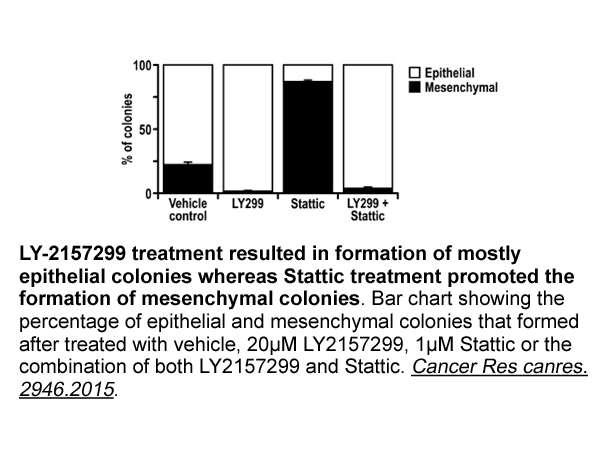
Our published results also show that the Y2 and the Y5, but not the Y1, receptors mediate NPY-induced excitation-secretion coupling in EECs (Abdel-Samad et al., 2012). Thus, it is highly important to consider controlling ET-1 circulating level via blockade of Y2 and/or Y5 receptor activation (Abdel-
-
In this study we detected the PAX
2020-08-11
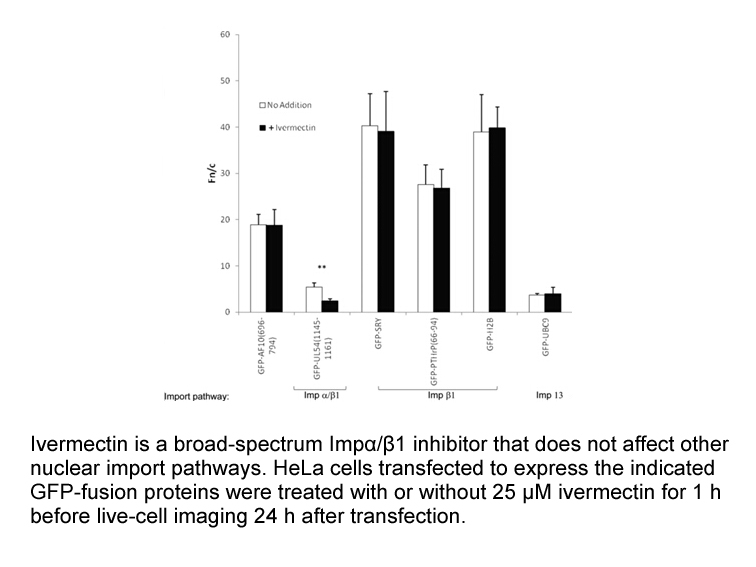
In this study, we detected the PAX3/7–FOXO1 fusion 3466 in 50% of the ARMS samples, 40% PAX3–FOXO1 and 10% PAX7–FOXO1. This detection confirmed the histological diagnosis and adds to its new information that can be useful in the prognosis evaluation of ARMS patients, since the patients with PAX3/7–F
-
It is well known that acrolein a metabolite of
2020-08-11
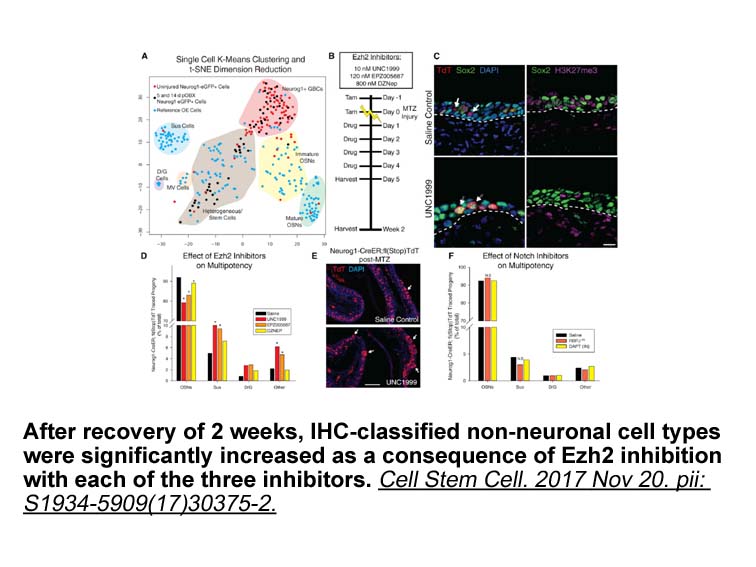
It is well known that acrolein, a metabolite of cyclophosphamide, is responsible for the cyclophosphamide-induced cystitis, and that acrolein is capable of activating TRPA1 channels expressed in the capsaicin-sensitive primary afferents [2], [11]. In this context, it is likely that the early phase o
-
Immune Response and Immune Evasion Up to of
2020-08-11
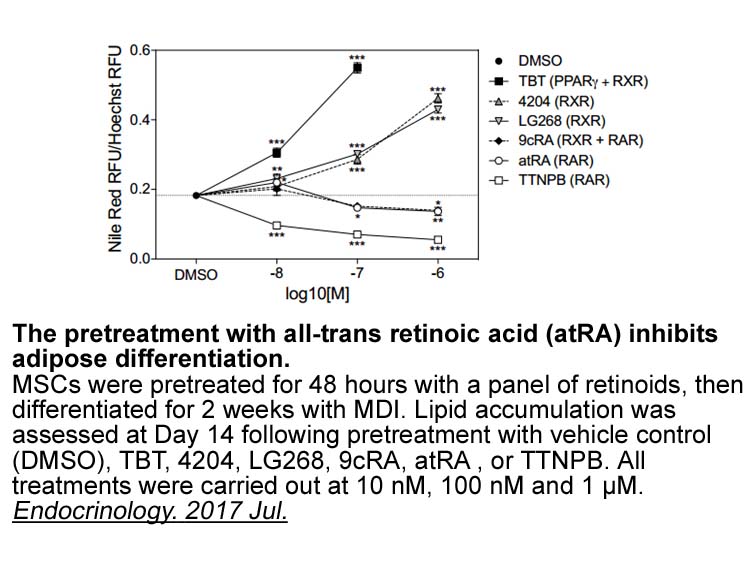
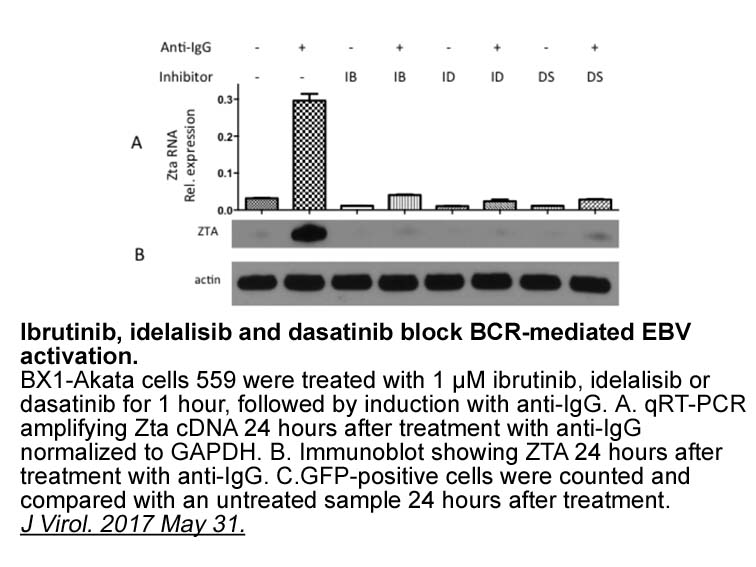
Immune Response and Immune Evasion Up to 10% of the host AVE 0991 synthesis are infected with EBV during acute infectious mononucleosis. Most of these cells are effectively cleared by the immune system, but some downregulate viral gene expression and differentiate into safety in the resting memory
-
br Conflict of interest statement br Acknowledgements br Int
2020-08-10
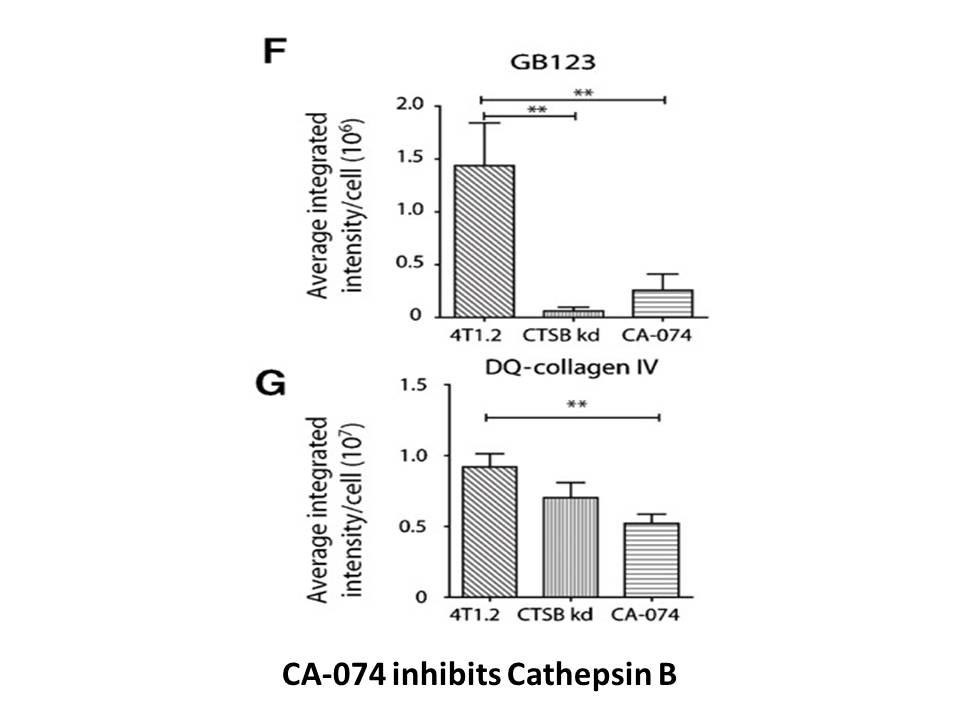
Conflict of interest statement Acknowledgements Introduction Spending their last days on earth having already lost many cognitive functions remains a major fear of elderly people. Although during the last century their lifespans increased, the so-called “old-age diseases” became more and mo
-
During the past decade it became increasingly
2020-08-10
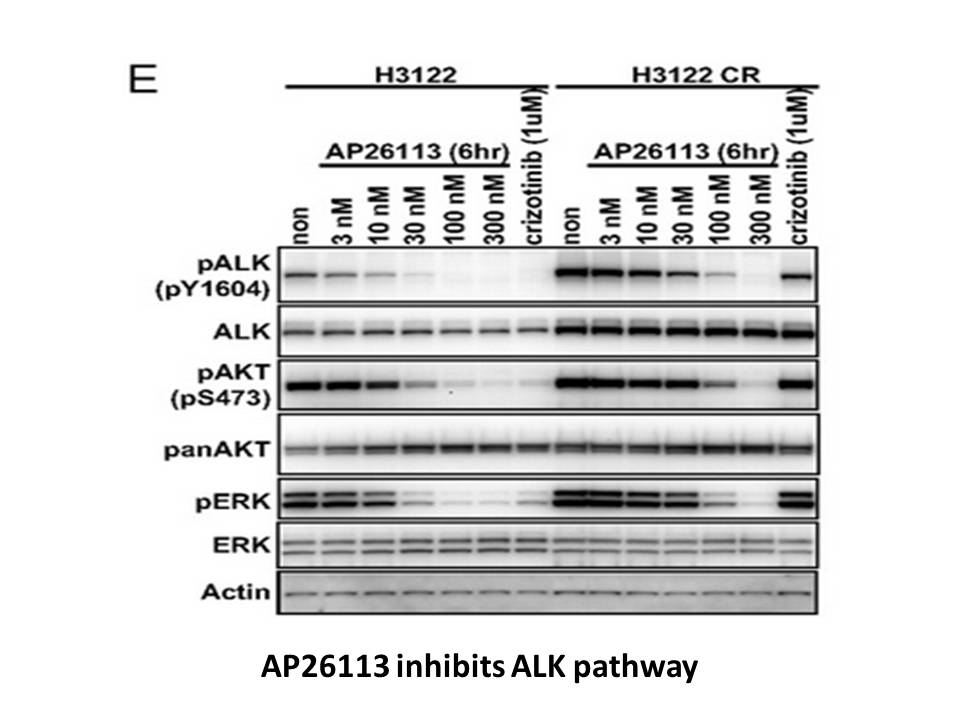
During the past decade, it became increasingly clear that the affinity and efficacy of small agonists acting on the orthosteric binding site of a GPCR can be modulated by ligands that bind to a topographically distinct (allosteric) binding site on the same GPCR molecule 33, 39, 40, 41, 42. This allo
-
Cy5 carboxylic acid (non-sulfonated) receptor Amphiphilic co
2020-08-10
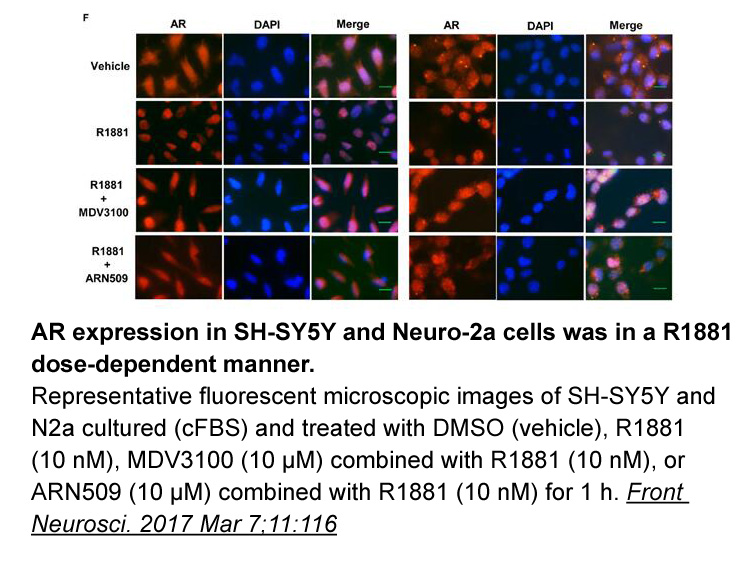
Amphiphilic compounds lower interfacial tension and its biological production often results in a competitive environmental advantage (Darvishi et al., 2011). The reduction of interfacial tension can increase the biologically available surface areas resulting in increased metabolism of insoluble comp
-
ghrp 6 receptor Ultrasound is an acoustic wave
2020-08-10
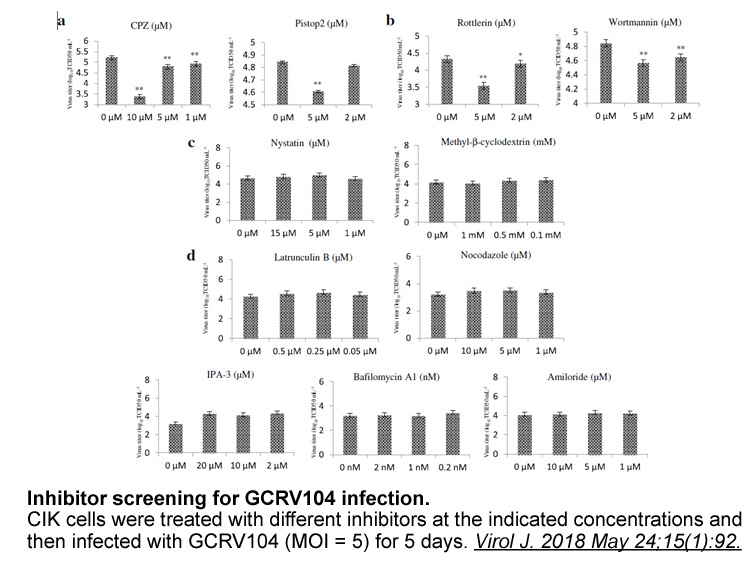
Ultrasound is an acoustic wave with a frequency >20 kHz that needs a medium to propagate [20]. Accompanied by the spread of an ultrasonic wave, a series of alternating cycles of compression and rarefaction emerge in the liquid medium. During the rarefaction cycle, microbubbles are formed because of
-
ACAT may act as a dimer
2020-08-10
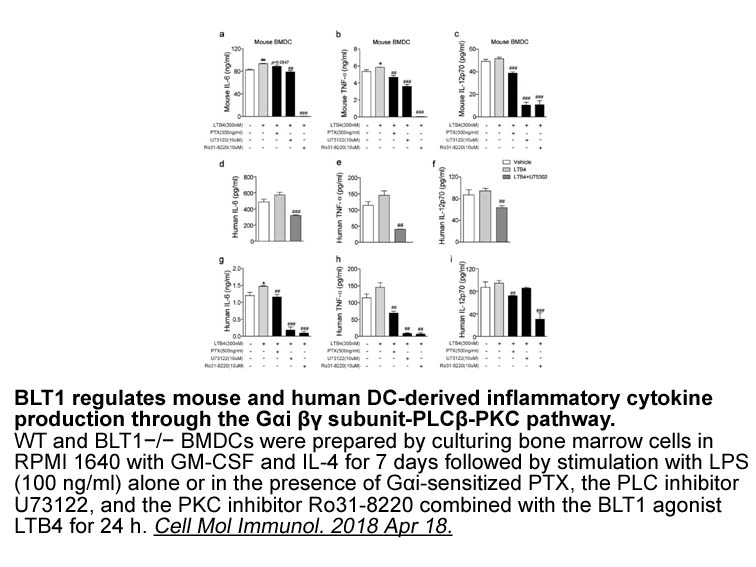
ACAT1 may act as a dimer of dimer [38]. Within each dimer, it may contain two identical sterol substrate sites (designated as site S), and one or two sterol activator site(s) (designated as site A). Site S preferentially binds pregnenolone (PREG); it can also bind a variety of sterols that contain 3
-
PI K Akt eNOS signaling is long been known as
2020-08-10
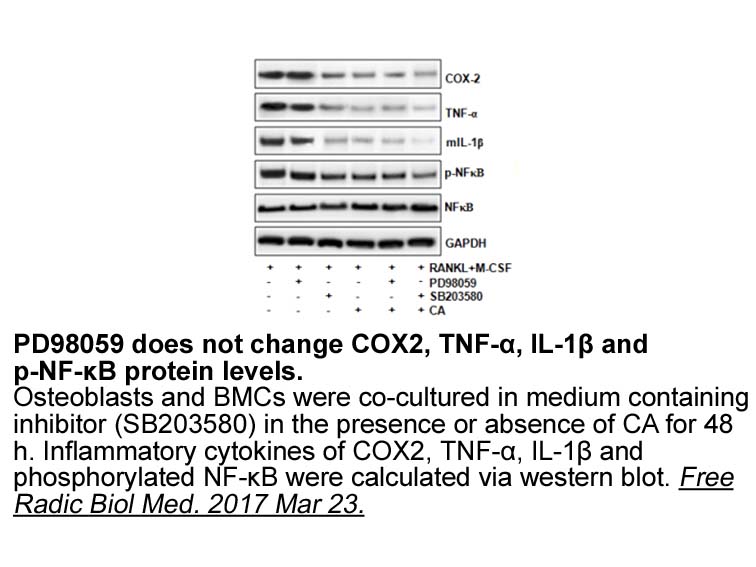
PI3K-Akt-eNOS signaling is long been known as a cell survival pathway in cardiology [8]. Current study has shown that ginsenosides, which is demonstrated to exhibit cardioprotective effect in several aspects, prevented cardiac ischemia/reperfusion injury via upregulation of PI3K and phosphorylations
16820 records 870/1122 page Previous Next First page 上5页 866867868869870 下5页 Last page